
Trader Joe’s Thai Lime Shrimp Skewers
Posted: April 11, 2013 Filed under: Frozen Food, Lime, Shrimp, Trader Joe's Brand | Tags: kaffir lime, lime leaves Leave a comment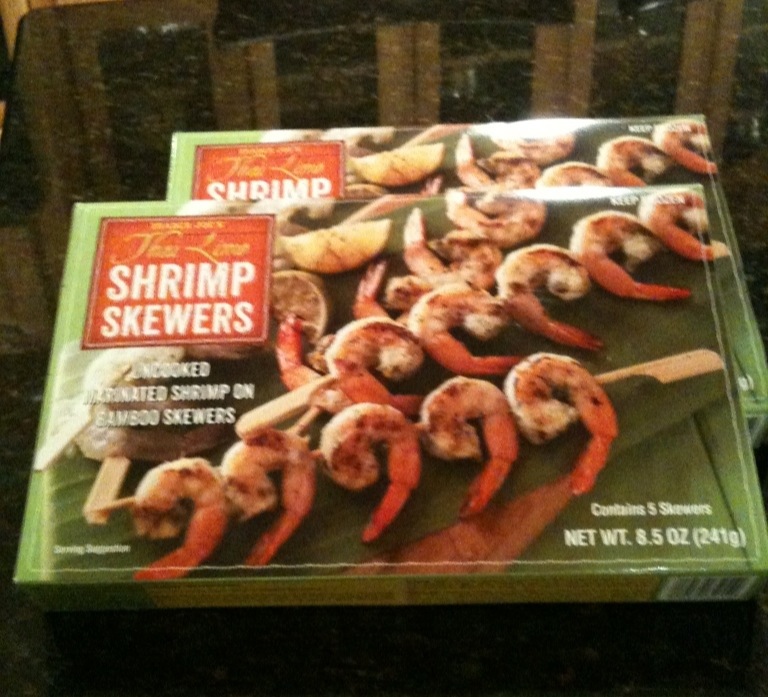
Disappointingly, the banana tree leaves are not included.
Like another syntactically ambiguous citrus product, Trader Joe’s Thai Lime Shrimp Skewers confounds the English tongues ability to parse. Come on TJ, is this a Thai preparation of shrimp with lime, or Thai limes on shrimp?
Spurned to action by this irksome lack of clear-sightedness, I threw myself into a burst of quick detective work. The answer, it turns out, lurks in the ingredients.
I present to you, ladies and gentlemen, proudly listed on the second line, the kaffir lime.
Yes, the kaffir lime – the very sort commonly used in Thai cuisine! A Thai lime, if you will. Long did I suspect this particular ingredient was one of those overly elaborated upon nouns used for marketing purposes – as in “optic white” or “full serving”.
The truth is quite to the contrary. Kaffir limes are not just a distinct species, smaller, uglier and native to southeast Asia, but are also largely inedible. In fact, kaffir limes are used in cooking not for their citric juices, like the garden variety lime, but for the fragrance of their leaves. A grilled shrimp spritzed with citrus is delicious, but this isn’t that. This is a shrimp prepared in a very Thai way, with the aroma of lime but not its zest.
Trader Joe’s Thai Lime Shrimp Skewers come uncooked but ready to pop on the oven or grill for your non-bar mitzvah party event. The box holds five skewers of five shrimp, each simply herbed with flakes of the kaffir lime leaf and assorted other spices. The taste is subtle, but distinct – laying on top of the shrimp taste as a counterpoint rather than working with it like a butter or cream.
The end result is a simple, and simply prepared, dish that captures the taste of Thai cuisine. The taste is difficult to summarize, after all kaffir lime leaf is not that common here in the West, but if you’ve ever had a Thai curry or Tom Yum Gai you’ve tasted it.
Trader Joe’s Thai Lime Shrimp Skewers would make a great addition to the buffet table, as a fun option for a family meal or, if you pluck the shrimp from their skewers, a fantastic addition to your curry or light noodle dish.
Two words of warning. First, don’t think “citrus” when you buy this – be ready for an exotic taste of Thailand.
Second, each skewer is as long as the box they come come in. If you’re prepping them on the range, make sure you have a big, and preferably square, skillet. I used my largest frying pan, but found I could only fit two skewers across it’s diameter at the same time. A square skillet eliminates such geometric hassles, as would cooking them up on the grill.
The Breakdown
Would I Recommend It: Yes, to party planners or Asian cuisine dabblers.
Would I Buy It Again: Next time I tire of ordinary shrimp.
Final Synopsis: An easy, healthy way to get a taste of Thailand.
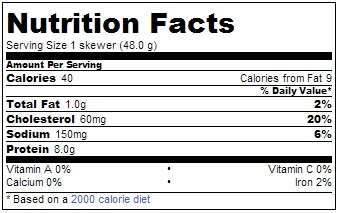
Trader Joe’s Thai Lime Shrimp Skewers – Nutritional Information
Trader Joe’s Stuffed Peppers with Seasoned Turkey and Rice
Posted: April 9, 2013 Filed under: Red Pepper, Rice, Trader Joe's Brand, Turkey | Tags: Stuffed Peppers 7 Comments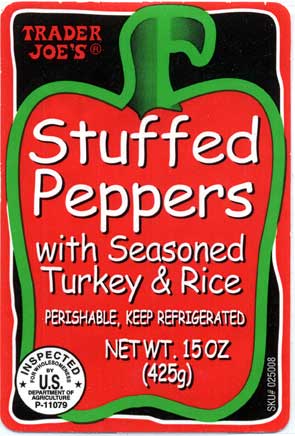
Trader Joe’s Stuffed Peppers
I’ve always been cautious when it comes to foods stuffed in other foods, so it was with wariness that I approached Trader Joe’s stuffed peppers with seasoned turkey and rice. Stuffing, after all, is fraught with peril. We’ve all heard the dire warnings regarding turkey stuffing and seen the gruesome spectacle of sausage stuffing. It is a mixed bag. Sometimes the rewards outweigh the dangers, and sometimes you find yourself eating a pile of gunk.
I turned to Trader Joe’s stuffed red peppers during a quest to find a cheap, easy prep, low carb, non-frozen dinner entree. A tall order, and one that Trader Joe’s has trouble delivering on. It was after a great deal of searching that I finally struck upon these. Trader Joe’s Stuffed Red Peppers may not be exactly a dieters dream, but at 11 grams of fat and 14 grams of carbs per serving they’re not too far off the mark.
I’ve come back to these stuffed peppers time and time again because it fills a gap not many Trader Joe’s products do – a dead-cheap dinner option that takes 15 minutes and no prep. In other words, with two full servings for about $2.50 each and no knowledge of cooking necessary, this is the perfect I’m-An-Unskilled-Bachelor dinner go to. I go the oven-cooked route, but it’s just as easily microwaved. In either case, you end up with something that’s not just tasty, but could nearly pass as home cooked.
The piping hot rice and season turkey spills in a moist slump over the red pepper’s wilted walls – flavorful, meaty and savory without being starchy or over-salted. The balance between turkey and rice is generously nudged toward the turkey side, which at makes this more entree than side dish. This rich filling is, in turn, balanced by the soft and very mild taste of the roasted red pepper casing.
That said, these stuffed peppers aren’t perfect. For one, the casing always collapses to some degree when cooked, making messy piles. Relatedly, the filling tends to resist becoming crisp and brown no matter how long you bake it.
Trader Joe’s Stuffed Red Pepper isn’t incredible, exotic or revolutionary, but like TJ’s Minestrone it’s something with a value all it’s now, a classic mainstay. This is the sort of meal that a mom might serve up to her family once a week – a modern-day casserole that gives the TV Dinner Set an option outside the freezer section.
The Breakdown:
Would I Recommend It: Yes, whether you’re a mom, a bachelor or just too tired to defrost the chicken.
Would I Buy It Again: I already have.
Final Synopsis: A simple, but tasty classic.
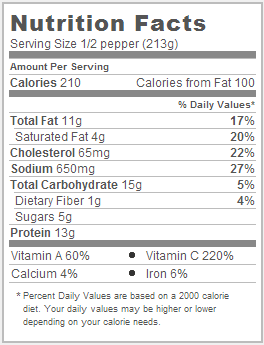
Trader Joe’s Stuffed Peppers with Seasoned Turkey and Rice
Trader Joe’s Sunflower Seed Butter
Posted: April 4, 2013 Filed under: Condiments, Nuts, Trader Joe's Brand, Vegetarian | Tags: sunflower seed 11 Comments
About a hundred million sunflower seeds, right there.
We’ve dipped a toe into the wild, wondrous world of non-standard spreads and emollients before, with universally positive results. Let us now turn our discerning gaze to that strange lurker on the peanut butter rack – Trader Joe’s Sunflower Seed Butter.
Here we have a weird and unusual spread. Almond pastes and hazelnut creams have become, if not common, at least wider known in recent years – earning a reputation for packing a delicious punch that belies their simple parts. Sunflower seed butter, on the other hand, is an item I’ve only encountered on the far left hand side of Trader Joe’s shelves, huddled off shyly to itself, away from the lime light of the more popular spreads.
I have long been intrigued by this little guy. Was he, like myself, the poor awkward kid in the school yard hiding a heart of gold, or was he a deserving misfit, a mismade troll rightfully shunned into lurking under the bridge in Trader Joe’s sunny world? Is it, in other words, any good?
The answer is not easy to come up with. Trader Joe’s Sunflower Seed Butter isn’t particularly good or bad. It has a very unusual taste that a certain niche audience might enjoy, and which isn’t offensive, but has nothing in particular to recommend it.
It’s hard, at first, to get past the packaging. The label has a cheap, tossed-off look that screams “We don’t care about this product”, a notion that is backed up by the surprisingly flimsy plastic jar it comes in. Twist off the top, and you’ll discover that sunflower seed butter looks almost exactly like your run of the mill creamy PB. Look closer, do you see how, as you tilt the container from side to side, a sheen of separated oil glimmers on the top? You’ll notice as well that the sunflower seed butter flows quite easily, more like an organic, hand-made peanut butter than a Jiff. In fact, the sunflower seed butter is so loose you could almost pour it out, if you wanted to. This is not all bad, as it makes it easy to spread, though it comes at the cost of being somewhat sloppy to ladle with a knife.
The taste is simple and unmistakable – sunflower seeds. This will be your first blush and the long, lingering tail. The immediately taste is almost identical to popping a shelled handful of those tiny, oily seeds into your mouth. After that, as you roll it around on your tongue, the taste become much more mild and somewhat sweeter (thanks, no doubt, to the evaporated cane sugar used as a natural sweetener). While chewing you’d almost swear you were eating ordinary peanut butter – if it wasn’t for a faint hint of that sunflower seed taste lingering just on the peripheral of your tongue. This is all more or less exactly what I expected from a sandwich spread made of sunflower seeds, what surprised me was that once you swallow, the strong, undeniable taste of sunflower seeds will resume. This is practically identical to the aftertaste left in your mouth when you munch on a handful of dry sunflower seeds, and it is not a quick aftertaste either but long and lingering.
Overall it’s not a bad taste or a very good taste – it’s simply a very strong sunflower seed taste. If you have an aversion to peanuts, and therefore peanut butter, you could very well get used to this instead. That said, there isn’t very much to recommend this over any other peanut-variation butter. Like all nut/seed butters it is mostly fat, and it has very nearly the same amount of sugar and carbs as other alternatives. In the end it comes down to how you feel about sunflower seeds. If you love snacking on them, keep them in your kitchen cupboards and car cup holders, this is your dream product.
A final note, sunflower seed butter is very dense compared to most store bought butters. Like organic peanut butter, a very small amount of sunflower seed butter goes a long way – each dab is dense with the crushed essence of a hundred sunflower seed kernels. One small bite and you’re tongue will feel slathered with the paste, resulting in much dog-like chop licking. As a result, one jar of this stuff is going to last you a lot longer than a similar jar of peanut butter, for better or worse.
The Breakdown:
Would I Recommend It: Only if you have a peanut allergy and don’t like almond butter.
Would I Buy It Again: Maybe when this jar runs out, 2 or 3 years down the line.
Final Synopsis: Yes, apparently you can make this, and yes it does taste exactly like you think.
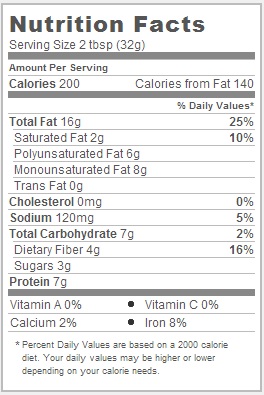
Trader Joe’s Sunflower Seed Butter – Nutrional Information
Trader Jose’s (Joe’s) Pizza Al Pollo Asado
Posted: April 1, 2013 Filed under: Pizza, Trader Joe's Brand | Tags: corn, masa, mexican pizza 1 Comment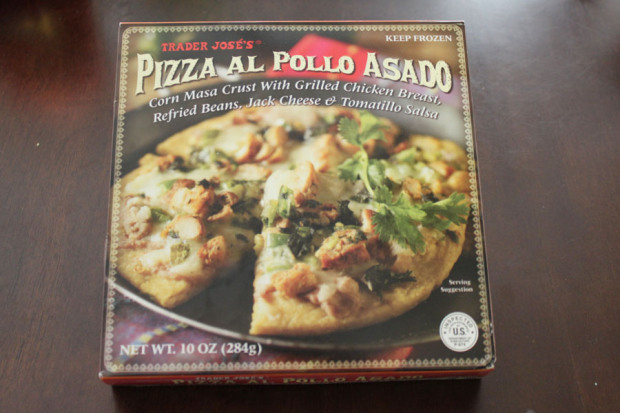
A tiny pizza, made of corn.
Masa, delicious corn masa. It’s about time some bum decided to start making Mexican-style pizzas with this stuff. Lord knows I wish it had been me. Trader Jose’s Pizza al Pollo Asado Pizza (Hurray, another “ethnic” cousin!) is a tasty and original take on the world of frozen pizzas that will delight your taste buds, and perhaps even open your heart to a whole new world of pizza variations.
Accurate, I’m afraid to say, on every point. Let’s take a look:
The pizza is layered on a thick, masa crust and it is without a doubt the showcase item here. Masa is simply spanish for dough, and corn masa is exactly that – a thick, tasty corn dough. TJ’s manages to make theirs tasty and flavorful while avoiding the common pitfall of being unpleasantly mealy. The toppings aren’t bad either. The chicken chunks taste nicely roasted (it isal asado, after all) and have been spiced up to provide a peppery kick to each bite. The bean-cheese substrate of the pizza is the perfect tomato sauce substitute, binding the toppings to masa in a mild, creamy base.
That said, the promised tomatillo “salsa” is far less than stunning. In fact it’s nothing more than a scattering of dry tomatillo chunks that are so dry and blocky that their more an obstacle to overcome in chewing than a friendly ingredient.
The failings are quite moderate however. Straight out of the oven, the corn masa crusty and piping hot, this tasty appetizer/entree will leave wanting to experience more. Sopes and huraches are all well and good – but the crumbly, yeilding crunch of the thick masa crust brings something new to the game. More substantial than the hurache, and more manageable (and servaable) than the sope, the corn masa pizza is the perfect bridge between Tex and Mex. All the more so if you start layering on lettuce, tomatoes, guacamole and sour cream to make a towering, masa-crusted tostada cum sliceable seven-layer dip.
The Breakdown:
Would I recommend it: Popping ’em out at parties or chow down with a cerveza
Would I buy it again: Heck yeah – but next time I’ll layer on my own toppings.
Final Synopsis: It’s biggest failing is that they don’t sell a bigger one.
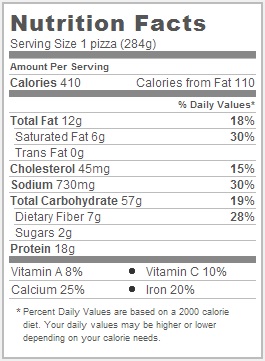
Trader Joe’s Pizza Al Pollo Asado – Nutiritional Information
Trader Joe’s Authentically Korean Seaweed Salad with Spicy Dressing
Posted: March 28, 2013 Filed under: Salad, Trader Joe's Brand, Vegetarian | Tags: Salad, Seaweed 3 Comments
With all your favorite agars and carrageenans!
When it comes to foreign cuisine, no supermarket chain kills it quite like Trader Joe’s. Case in point – Trader Joe’s Seaweed Salad with spicy dressing. We’ve already looked at some of TJ’s bold, if shaky, forays into the Korean kitchen. With this fun spicy salad they can proudly boast that they’ve done something well that no one will appreciate.
Seaweed is not high on the list of most American shoppers, so hat’s off to Trader Joe’s for branching out into the exciting world of undersea vegetation. The history of seaweed cultivation and consumption is as vast and engrossing as the wide Sargasso, and I doubt I can do it justice in this forum. When confronted with a man who just ate a big bowl of limp kelp, the more pressing question of interest is “Does it taste any good?”
Yes, absolutely, this sea weed salad does – if you’re in the market for authentic Korean cuisine. If, instead, you’re looking for a nice, ordinary salad to accompany your casserole, try one of these. If, on the other hand, your on the hunt for an entirely different taste, and texture, sensation to make dinner memorable you couldn’t ask for better.
In a lot of ways Trader Joe’s Seaweed Salad is exactly what you’d expect – a big pile of wet, limp seaweed that smells more than slightly of the sea. In other ways though, this salad might surprise you.
For one, the salad is actually thrown together from a wide variety of seaweeds. Each one brings it’s own texture, color and toothfeel to the dish, seven different types of sea plants go in, from the translucent agar-agar to the bright Carrageenan Yellow.
Eating these fronds is unlike eating any other salad you’ve ever had – large, tender, sometimes slick, sometimes springy textures slide and bounce their way across the mouth with each bite. It doesn’t exactly come packing the taste – few things are as bland and mild and wet seaweed – but what it lacks in taste it makes up for in texture and appearance.
Of course, TJ’s was aware that seaweed needs some help to become tasty, and it provides that help in the form of a monstrously large packet of “salad dressing: that is, essentially, a thick, paste of red hot peppers. Again, kudos to Trader Joe’s for taking the authentically Korean route here. Many mass retailers might have tended toward a milder, more edible dressing, instead TJ’s gives you the full-on Korean restaurant experience.
This is a seriously hot condiment folks, and it’s given to you in a quantity far beyond what you’ll likely need to enjoy your salad. Try a dab of the dressing first before slathering your salad and adjust accordingly. I found about a 1/6th of the packet enough for me – but as we established before, I’m also a bit of a chili wuss.
A final note, making this salad was more fun than it should have been. The meal comes as a freeze-dried thatch that you must dump in a big bow of water and leave to quintuple in size – dinosaur sponge style. It brightened up my day, but then again I am easily amused.
The Breakdown:
Would I Recommend It: Yes, if you think you like seaweed or interesting textures. No to everyone else.
Would I Buy It Again: I could see it happening.
Final Synopsis: This is a great, exciting, interesting seaweed salad but, ultimately, a seaweed salad it remains.

Trader Joe’s Authentically Korean Seaweed Salad with Spicy Dressing – Nutrional Facts
Trader Joe’s Dukkah
Posted: March 26, 2013 Filed under: Condiments, Nuts, Spices, Trader Joe's Brand, Vegetarian 14 Comments
Not just tasty, but a nice executive little package too.
Trader Joe’s Dukkah is a brilliant new introduction to the American food lexicon – a delicious addition to otherwise tasty bread and, more than that, a party in a jar.
Dukkah, or “duqqa” as it is more commonly spelled, is an originally Egyptian side dish made, simply, from a mixture of herbs, nuts and spices for dipping bread in. Word has it that this tasty hors d’oeuvre is all but ubiquitous in Cairo and beyond. The geo-politcal climate being what it is – I’m content to take their word for it.
Dukkah, takes it’s name from the Arabic word for “to pound”, taken from the simple process of making dukkah – just jamming a bunch of tasty spices and nuts together. Traditional dukkahs, as you may expect from such a folk recipe, vary widely in composition. Trader Joe’s take on it is a combination of crush almond, fennel, anise and sesame seeds, plus coriander and salt. I’m sure this may raise some more traditional dukkah lover’s eyebrows, but I couldn’t be happier with this flavorful, exotic mix.
The product label is helpfully emblazoned with the instructions, “Take a hunk of crusty bread, dip it in olive oil and then in DUKKAH”, which was straightforward enough for me. I decided to engaged my jar of dukkah with a loaf of Trader Joe’s Kalamata Olive bread, figuring it was both crusty enough and small enough to fit into my cluttered, tiny kitchen. Also, hey, it’s got olives in it, so yum yum. I prepared a little dish of olive oil, opened my aromatic jar of Egyptian bread topper, and dunked the dukkah out of my bread. Was it good? Friend, it was absolutely great.
Now before I get carried away with unalloyed praise, let’s get the facts straight. A nice crusty bread is damn good in it’s own right, and dunking said bread in some cold-pressed, extra virgin olive oil? You can’t really go wrong. The immediate question is how much enjoyment did the the dukkah lend to this simple banquet? The straight answer is – a great deal.
Dukkah is like having a delicious new tool in your meal tool box. Hit bread with some savory olive oil and that’s good, add to that a splash of tangy balsamic vinegar and that’s better, follow that with some nutty, crunchy, spicy dukkah and you’ve just added a whole new dimension to your meal. And while the taste is nice in and of itself, the crunch is really the selling point here, making a mouthful of sopping bread even more of a pleasure to work on.
That said, this spice mixture might not be for everyone. Anise is a strong flavor, commonly identified with black licorice, and while it’s presence in Trader Joe’s Dukkah is not overwhelming it certainly in noticeable. If you’re interested in giving yourself over to an exotic taste for a new way to enjoy bread, go for the dukkah, but if you’ve never warmed up to black licorice you might consider giving it a miss. Either that, or consider whipping up your own batch. Dukkah amounts to little more than a dry mix of crushed nuts, spices and a little salt. Making your own is as easy as taking a walk down the dry goods aisle of your supermarket. Want to substitute salt and anise for rosemary and black pepper? Why not? You can find one alternate recipe here and others all across the web.
Taste aside, dukkah has a lot to offer. It’s a very easy addition to the table – a casual condiment that can be dabbed in or done without as the mood dictates. It also fits easily into parties, allowing simple, tasty snacking for a whole room with just one simply jar. Of all the wonders of dukkah, most incredible is how many servings you’ll get out of this one $2.99 container. With a price that low, consider throwing one in your cart next time and forgetting about it in the cabinet until company comes over.
The Breakdown:
Would I Recommend It: If you like bread and don’t hate anise, go for it.
Would I Buy It Again: As soon as this jar runs out (so not for a while).
Final Synopsis: Why has it taken me so long to hear of this stuff?
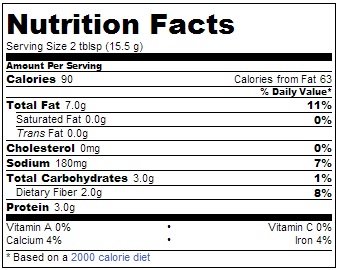
Trader Joe’s Dukkah – Nutrional Facts
Trader Joe’s Dark Chocolate Nibs
Posted: March 21, 2013 Filed under: Chocolate, Trader Joe's Brand 3 Comments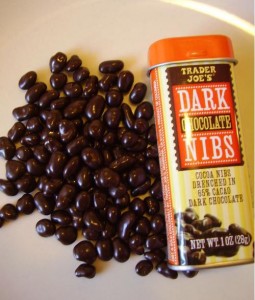
Nothing says get ready for a taste explosion like “nib”.
Oh man, why couldn’t Trader Joe’s Dark Chocolate Nibs have been good? As I’ve made clear before, dark chocolate is the only kind of chocolate I can purchase. Regular milk chocolate bars tend to disappears down my throat in a way that worries medical professionals and my insurance provider. In the world of confections, milk chocolate is your good-time buddy who just wants to party – always on the scene with a six pack and the crazy plan. “Don’t worry man!” milk chocolate boisterously shouts, “Diets are stupid, let’s get nuts!”
Dark chocolate, on the other hand, is a stern Scandinavian quartermaster. “Haven’t you had enough of me now,” dark chocolate asks you solemnly, after one tiny bite, “Don’t you think it would be a good idea to go back to work?”
Milk chocolate was fine in college, but as an adult it’s time to knuckle down and get serious. Hence my constant search for new, interesting forms of dark chocolate. Trader Joe’s Dark Chocolate Nibs seemed like they might deliver – dark chocolate, after all is best enjoyed in tiny bites. So why not save some time and sticky fingers by going straight for the nibs?
As a rule of thumb, I steer clear of vaguely defined nouns in my food (lumps, chunks, gobs, etc) on the grounds that usually someone is trying to pull a fast one. In this case, I figured I was alright to bend my normally adamant rule. Not because I think Trader Joe’s is above marketing flim-flam, but because I was actually seeking the unpalatable.
A quick review of the ingredients reveals that the true identity of our anonymous nibs is the much less endearingly termed “cocoa mass”. Now, cocoa mass is just the name for ground up cocoa bean prior to being processed into unsweetened chocolate, so I figured this was right on the money. “Nibs” might just be a way for the irrepressible ad wizards at TJ’s to market their excess, extruded cocoa mass, but I didn’t come here for their tastiness – I came to find a safe outlet for my otherwise uncontrollable sweet tooth.
If dark chocolate is a stern quartermaster, surely dark chocolate on nibs of cocoa mass is even more severe – like a stone-faced mortician with cold unblinking eyes. Two nibs and I’d be set, I reasoned. The perfect post-dinner way to get in, satisfy my chocolate craving, and get out with minimal damage done.
It seemed quite unlikely to me that I’d end up finishing the wee decorative tin of these nibs in anything close to the suggested two servings. And that turned out to be true – it’s just too bad the nibs are crap.
The main problem is that the nibs are too hard and small to enjoy properly. Once the scanty coating of dark chocolate has melted away in your mouth, you’re left with a tiny, brittle nugget of roasted cocoa bean in your teeth. You can bite it, break it up, and you’re done. A single nib is far from satisfying, and even a small handful of the nibs left me wanting. They nibs don’t dissolve on your tongue in a pleasing way, they just crunch up into bitter fragments.
When compared to the pleasures of a dark chocolate bar, the nibs simply don’t stand up. A small bite of a dark chocolate bar renders the pleasure of numerous complex flavors that slowly unravel over the tongue before ending in a bitter punch – the nibs don’t pack enough chocolate to give you this delectable pleasure, and leave you with an inert bit of cocoa mass as your reward.
At the price you pay for the tin, you might as well just buy the dark chocolate bar in the first place.
The Breakdown
Would I recommend them: Yes, if you need a tiny, decorative tin. No to everyone else.
Would I buy them again: Give me a bar of dark chocolate bar over these any day.
Final Synopsis: Nibs suck.
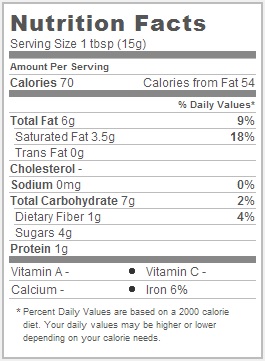
Trader Joe’s Dark Chocolate Nibs – Nutritional Facts
Trader Joe’s Roasted Butternut Squash Red Quinoa and Wheat Berry Salad
Posted: March 19, 2013 Filed under: Salad, Trader Joe's Brand, Vegetarian | Tags: arugula, quinoa, red quinoa, wheat berry 9 Comments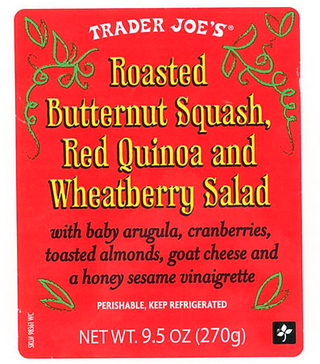
A name that rolls off the tongue.
The full name of this product, listed boldy on its label, is “Trader Joe’s Trader Joe’s Roasted Butternut Squash Red Quinoa and Wheat Berry Salad with Baby Arugula, Cranberries, Toasted Almonds, Goat Cheese and Honey Sesame Vinaigrette”, which also doubles as an exhaustive list of it’s ingredients. I know that Trader Joe’s has a thing for compendious product names, but this one crosses the line from “a mouthful” to “ridiculous”. Honestly though? This time, I don’t even care – because this is the most delicious salad I’ve eaten all year.
I’m an inveterate salad diehard. You can count on me to eat salad, as a meal, between 5 and 8 times a week. Someday they’ll pass a law so you can marry salad, and on that day I’ll finally be a happy man – all the more so because I’ve finally met my fiancee. World, say hello to Mr. and Mrs. Roasted Butternut Squash, Red Quinoa and Wheat Berry Salad.
Every single ingredient in this salad works in sublime harmony with every other ingredient to turn a cheap, $4.99 salad into a taste sensation. I can’t imagine who it was who thought to mix wheat berry with butternut squash et al, but that man earns my heart-felt thanks.
Let’s look at this master piece, shall we? The spiciness of the arugula is balanced nicely by the mild, soft squash, which is supported by the crunch of the red quinoa, the chewiness of the wheat berries, and the sweet tang of the cranberries. And that’s not even getting into the goat cheese, which is a world of flavor in and of itself. Finally, the pairing of the honey sesame vinaigrette is a perfect match for the rest of the mix, neither too sweet nor to vinegary.
Even better, the salad boasts a healthy profile for such a hearty, savory meal – 290 calories (80 from fat), 41 grams of carbs, and 10 grams of protein (without dressing). As always, once the dressing comes on the fat goes up. In order to keep it on the healthy side, consider only going half way with the dressing – the flavors of the salad will more than makeup for the lighter drizzle.
While the nutritional profile may not satisfy a strict dieter, the salad also packs a potent nutritional punch in it’s healthy whole grains – wheat berry and quinoa. Wheat berry is the name for a whole kernel of wheat, minus nothing but the hull. In conventional processing the nutritious germ and endosperm are stripped from a grain of wheat. By leaving the whole grain, the kernel remains packed with fiber, protein, iron, vitamin E and magnesium. Red quinoa is another highly-regarded whole grain (or grain-like seed, to be strictly accurate) that has exploded in popularity recently for it’s high protein, iron and calcium content.
I could go on and on about how much I liked this salad, but this one is better experienced than described. The interplay of the flavors pleases the entire tongue from tip to heel in a way much more expensive restaurant salads often fail to, and takes more risks with it’s composition than most restaurants dare dream of.
That said, my sole reservation is that this may not be the best salad for your fly-by-night salad dabblers. It is a complex salad for people who are tired of simpler concoctions. The appearance of the salad, for example, is either gross or gorgeous depending on where you’re coming from in life. The countless beads of partially sprouted red quinoa spread throughout the salad, along with the mushy wheat berries and soft squash, give the salad a slightly intimidating or off-putting look. My rule of thumb would be this: If you don’t like big gobs of stinky cheese in your salad then steer clear, to everyone else – dive right in.
The Breakdown
Would I Recommend It: To sophisticated adult palettes everywhere.
Would I Buy It Again: I’ll buy it weekly, if they can keep it in stock.
Final Synopsis: The best salad I’ve ever had at Trader Joe’s.
Trader Joe’s Quince Paste
Posted: March 14, 2013 Filed under: Condiments, Jelly, Jam, etc, Quince, Trader Joe's Brand | Tags: paste, Quince 8 Comments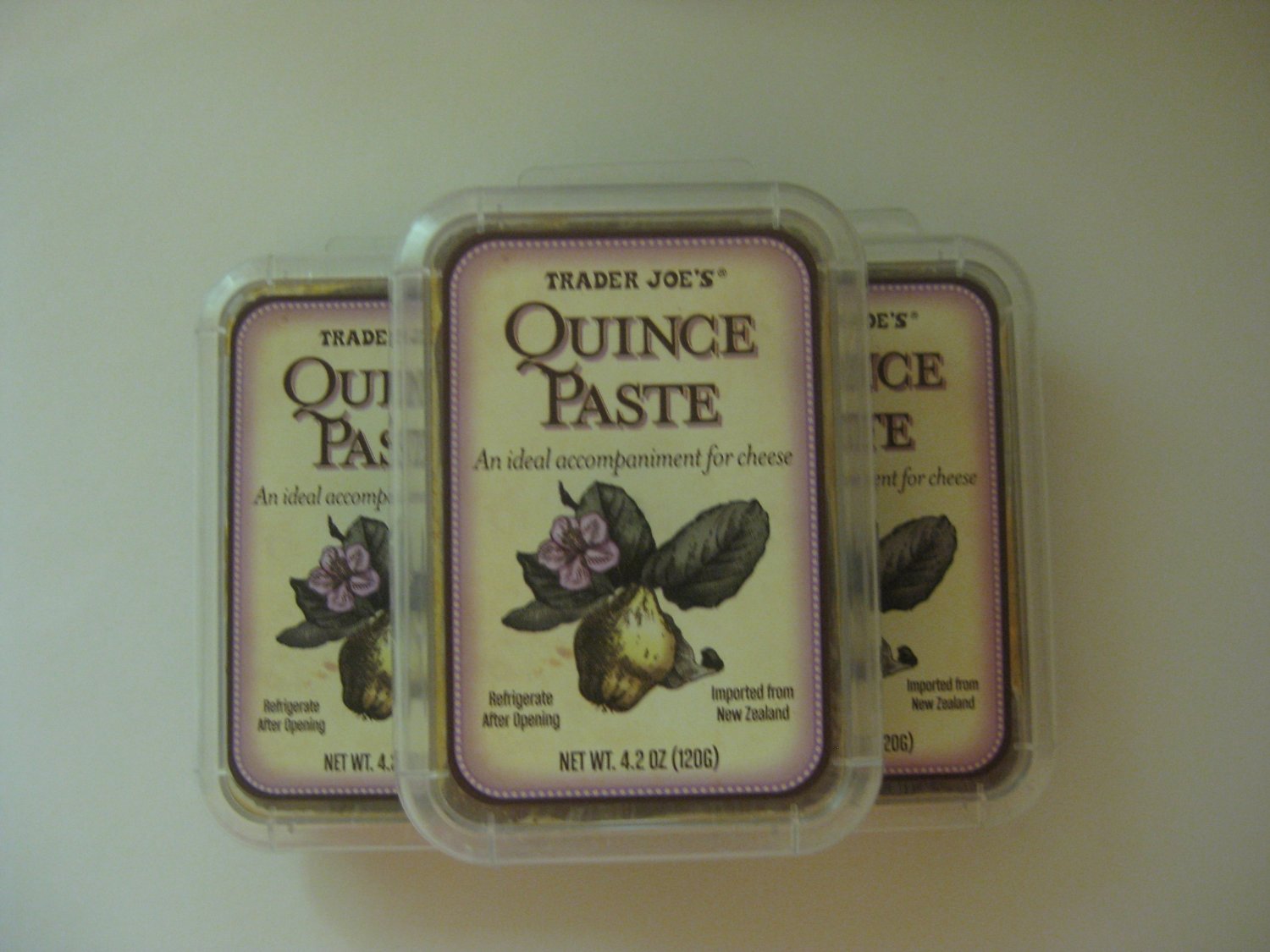
Behold the quince – the most bourgeois of all fruits.
What is quince? And what, really, is paste? These are two questions I found myself wrestling with as I held Trader Joe’s Quince Paste in my hand. Some serious research would have to be done, that I was sure of, but would it all be worth it in the end? With my trademark, devil-may-care laugh I tossed the quince paste into my basket and checked out – ready, as always, to gamble on a reckless impulse. If only I knew then what I know now – that I’d just been duped into buying an inferior product!
Trader Joe’s Quince Paste was so prettily packaged, hanging on the rack like a pack of new cards, and so exotically named (not jelly, not jam – but paste) that I just had to go for it. The package screams decadent exoticism – quince! Imported for New Zealand! Perfect compliment to artisanal cheese! I was unbearably excited to get it home, sit down with my block of Trader Joe’s Quintupled English Cheese and try it out. You, my good friend, need not get so excited yourself.
The quince paste is little more than a rather ordinary slab of jelly in unusual packaging. Paste, to me, calls to mind a thick, heavily textured spread – tomato paste, for instance, or bean paste, or a nice liver paté. This is just a jelly, maybe a bit thicker than ordinary jelly – a little bit – , but still just jelly.
So that’s illusion number one popped. If you’re looking for an exotic paste, don’t get this, because it’s gelatinous and jiggly and just a mundane, regular jelly.
But it’s still quince, right? Exotic quince, brought to us from far off shores? The fabled quince of legend – that Adam and Eve are rumored to have eaten ‘ere the fall? The fruit rumored to possess a sweet, intense aroma reminiscent of pineapple, guava, pear and vanilla all at once? The flesh of which is all but inedible while raw, but which transumtes to a sweet, translucent pink when cooked? That quince?
The very same. I’ve never had quince before – all the above has come to me by rumor, hearsay and Wikipedia articles – but this, I can tell you, does not live up to the legend. Trader Joe’s Quince Paste is so thoroughly processed and sugared up that it has lost any of it’s innate character. It just tastes sweet, with some faint fruity undertone that isn’t strong enough or distinct enough that you could put any sort of name to it.
I was forced to put my block of fine cheese down, disappointed. Quince paste isn’t a bad jelly, but it isn’t any more than a jelly, a jelly just like any other. If I had the dollars back, I’d spend it on a different, more interesting condiment, or at least a larger jar of some other regular jam. As it stands, if you buy Trader Joe’s Quince Paste you’ll have to be wowed by the exotic name alone – the product simply doesn’t do it.
The Breakdown:
Would I Recommend It: There’s nothing really to recommend it by.
Would I Buy It Again: Not while fine jellies, jams and preserves are available.
Final Synopsis: Try out a different jelly before bothering with this lackluster spread.
Trader Joe’s Hake en Papillote
Posted: March 12, 2013 Filed under: Fish & Seafood, Frozen Food, Hake, Trader Joe's Brand | Tags: en Papillote, frozen food, Hake, paper 8 Comments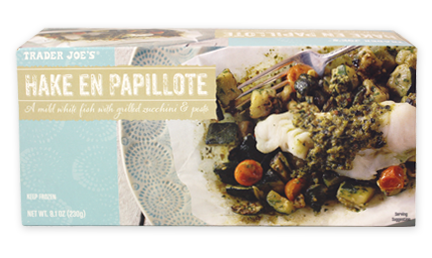
Ah…yes…Hake en Papillote…Of course I know what that means.
If Trader Joe’s made love to Ikea, Hake en Papillote would be their golden child.
Trader Joe’s typically intriguing take on food shows up with all the hallmarks of the Swedish furniture magnate4 here – an absurdly foreign name, calming minimalist design, and clever European-style packaging. That’s nice, much more refreshing than the usual frozen fish in vacuum-packed polyvinyl approach, but design is not food. My question is, does it taste as good as it looks?
Yes it is. And more so. I’ll delve into the details shortly, but first I want to answer the question on everyone’s mind: What the hell does “Hake en Papillote” mean?
Hake (rhymes with “rake”) is a smallish, seagoing white fish – most commonly eaten in Western Europe. Spaniards in particular hanker after the hake, snapping up nearly 50% of all hake eaten on the continent. Like tilapia, hake is a text book example of a “trash” fish suddenly becoming a marketplace commodity. Previously sold on the docks as “scrod”, denoting its undesirability and small size, hake has now stepped in as a tasty, white and flaky alternative to more expensive cod or halibut. The problem with all white fish is that they tend to dry out more or less immediately when stuck in a hot oven. This problem can be worked around in a number of ways, but Trader Joe’s struck on an innovative solution with its roots in French, as well as Japanese culture.
Cooking “en papillote” literally means “in parchment” in French. Upon opening your box of hake you’ll see this is exactly what Trader Joe’s has delivered on – a tidy box of folded white paper entombing your meal. There are various reasons for cooking in this rather unconventional way, but ultimately the reason is that foods sealed in paper will steam in their own evaporated juices, creating an even more flavorful environment than with traditional steaming (where the water vapor rushes out and away).
Cooking en papillote is generally limited to fish and vegetables, so obviously a good choice here, but is historically fraught with difficulties – How is the meal best wrapped? How is it kept closed as it steams? How can it be opened without scalding tender fingers? As a result, most en papillote cooking, even at fancy restaurants striving for haute cuisine, use aluminum foil for the task.
Trader Joe’s would have none of that. As stated on the box, and self-evident upon opening the package, they have devised a brilliant, two-piece, origami box that neatly wraps up the food, holds it safe, and allows for easy opening – either in the kitchen or directly on the plate for that “ooh-la-la” feeling.
So it’s a fancy take on something old, that’s fine – but is it worth all the paper-folding? Simply put, Trader Joe’s should start packaging all of their frozen fish like this, because I can’t get enough. Hake en Papillote is, without a doubt, the tastiest frozen meal I’ve ever had from Trader Joe’s or, in fact, ever.
Now, I’m not necessarily a fish person – I’m entirely satisfied to go months on end without tasting the flesh of the cold-blooded ichthyoid – but Hake in Papillote might just change my mind. Conceive of a light, flaky fish in a tasty, savory nutty pesto with a spring vegetable melange that pleases the whole tongue and you’ve got it. Often, I find that white fish tends to taste particularly “fishy”, though whether that’s because of something inherent in the fish or my own poor cooking I don’t know. In either case, the preparation here takes care of that for me and the hake has a clean, fresh taste without a hint of fishiness. The cherry tomatoes and zucchini are augmented elegantly by the delicious, but not overwhelming, pesto, and the steam-cooking process ensures that all these flavors come out vividly.
And let’s not for get the nutritional information – Hake en Papillote offers a complete entree that’s actually healthy. 14 grams of fat, 8 grams of carbs and only 220 calories make it the perfect, tasty meal for all but the most ascetic dieters.
It is a brilliant work of food engineering – from packaging, to presentation, to taste, to price. I try and maintain a philosophical outlook on the comings-and-goings of Trader Joe’s many products – to become too attached to any one product at TJ’s is to set yourself up for heartbreak – but this is one product whose eventual absence will leave me utterly crestfallen.
The Breakdown:
Would I Recommend It: Yes, firmly and definitely.
Would I Buy it Again: I’ll be picking this up on a weekly basis.
Final Synopsis: The best frozen fish you’ve ever had, and a reason to believe in a hopeful future.
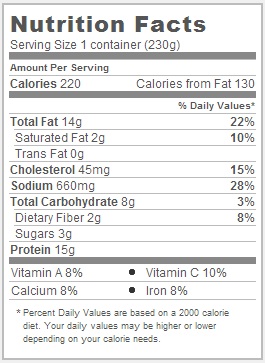
Trader Joe’s Hake en Papillote – Nutritional Information
 Eating At Joes
Recent Comments